Pick the signs you are seeing and this page shows the animal most likely responsible, why, in our own words, and what removing it costs from our published price list. Moles, voles, and grub-digging skunks and raccoons leave different marks on a lawn, and the difference decides the fix.
What Are You Seeing?
Check every sign that fits. More than one is fine; the answers are ranked by how many signs they match.
Likely Answers
Every possible answer is listed below. Select one or more signs to narrow the list.
Moles
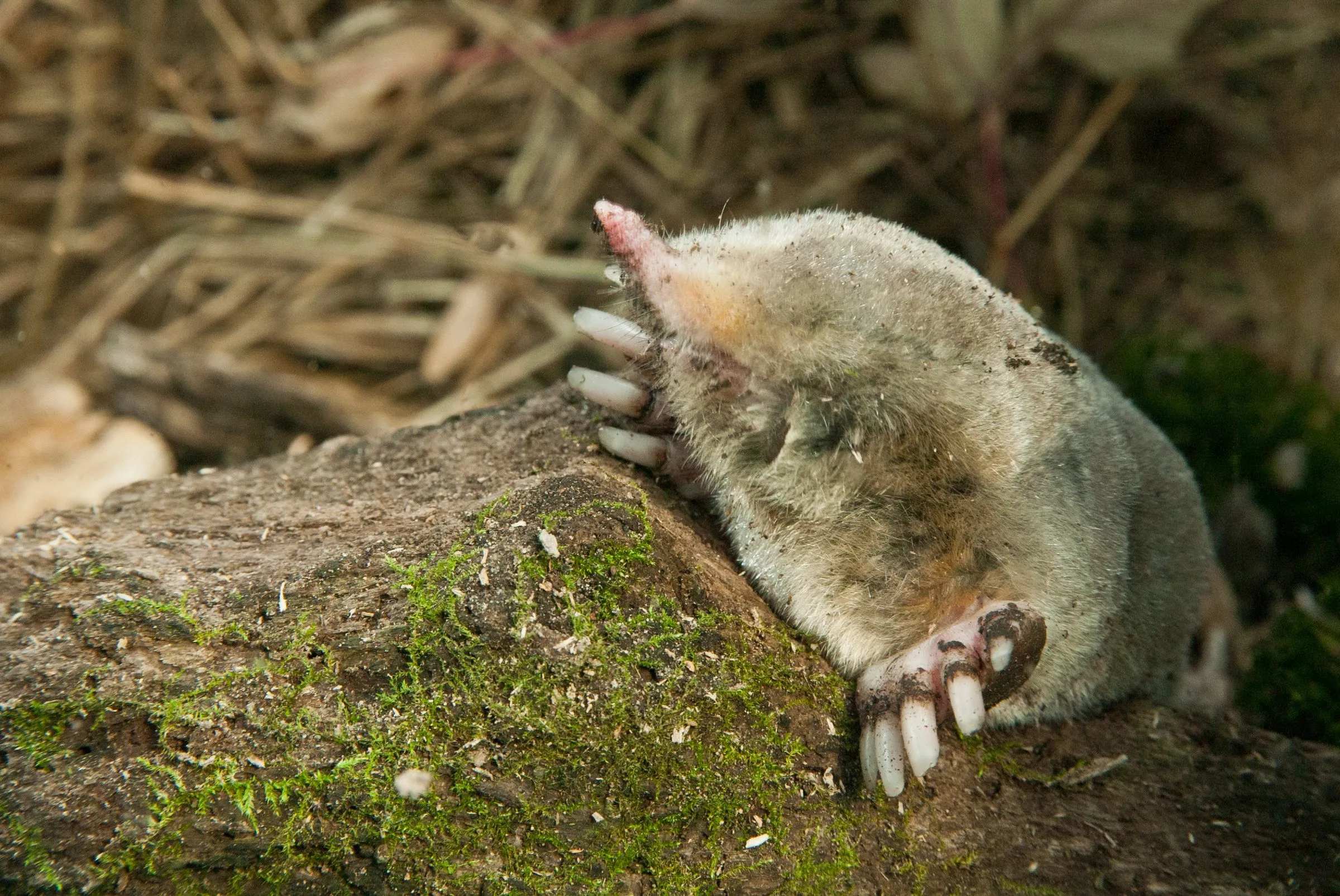
Moles leave volcano-shaped hills of cloddy soil pushed up from deep runs, and raised surface ridges where they have tunneled just under the sod. There is normally no open hole at the surface, and the number of hills tells you nothing about the number of animals.
Mole Removal (by the job) is $500 for properties up to 1 acre, plus $25 for each 0.1 acre, or portion thereof, above that. The Turn-Key Mole Program (under 1 acre) is $750/yr, with unlimited removals during the contract year.
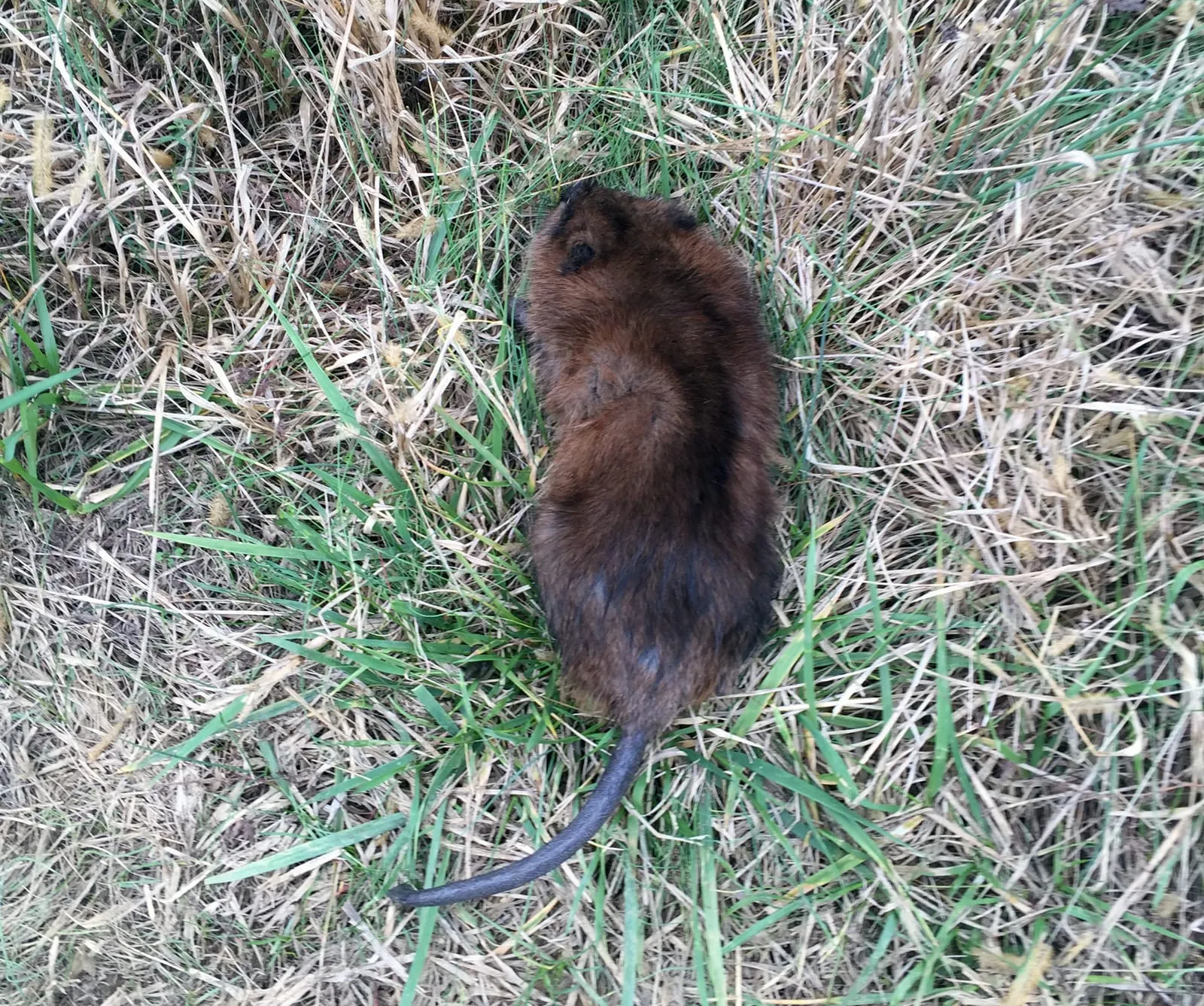
Voles leave runways at ground level rather than raised ridges: narrow paths worn through the grass and thatch, often with clipped stems and open burrow holes. Voles eat bulbs, roots, tubers, and bark.
Chipmunks leave clean round burrow entrances roughly two inches across with no mound of soil at the opening, and dig in beds and along foundations and walls.
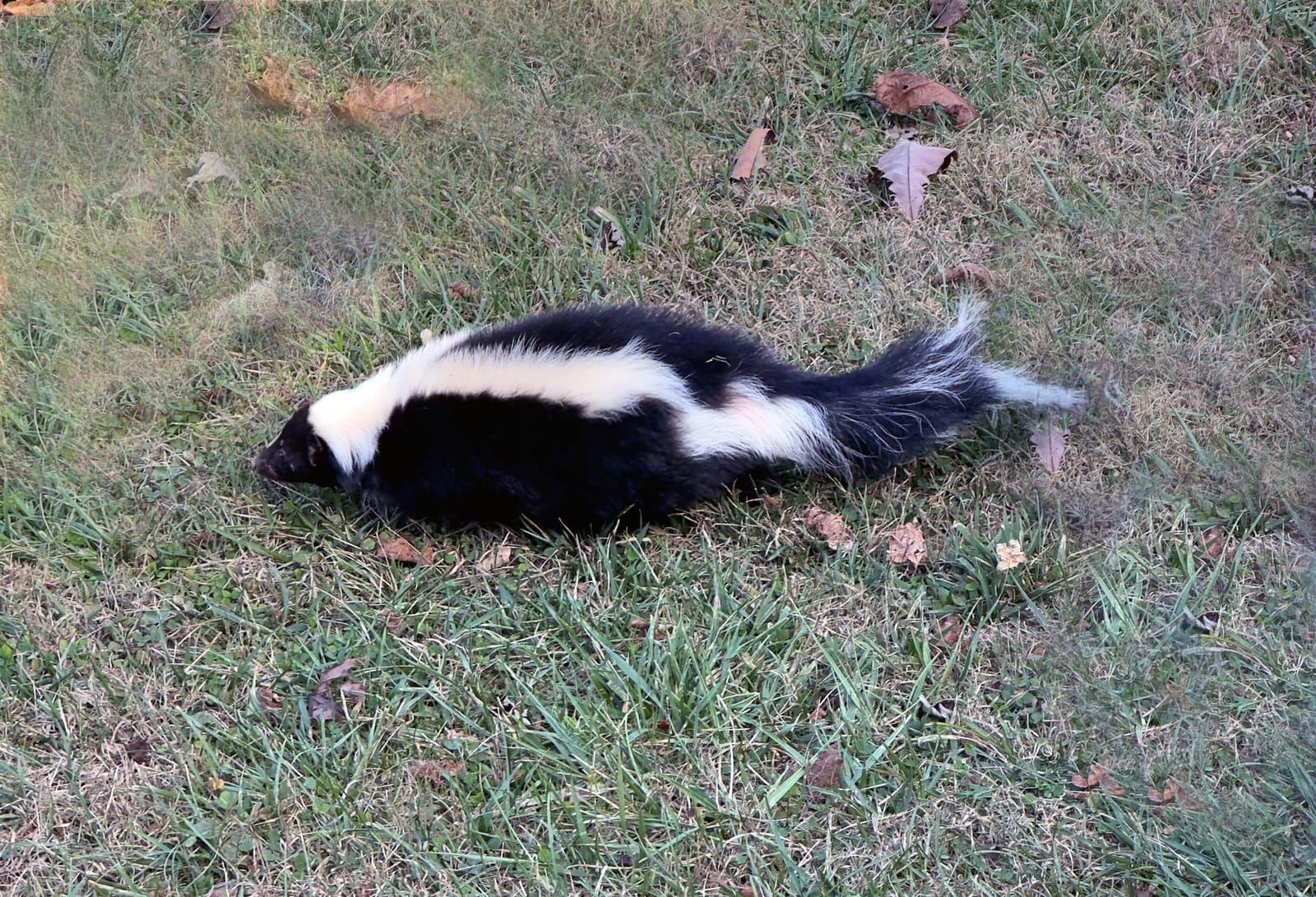
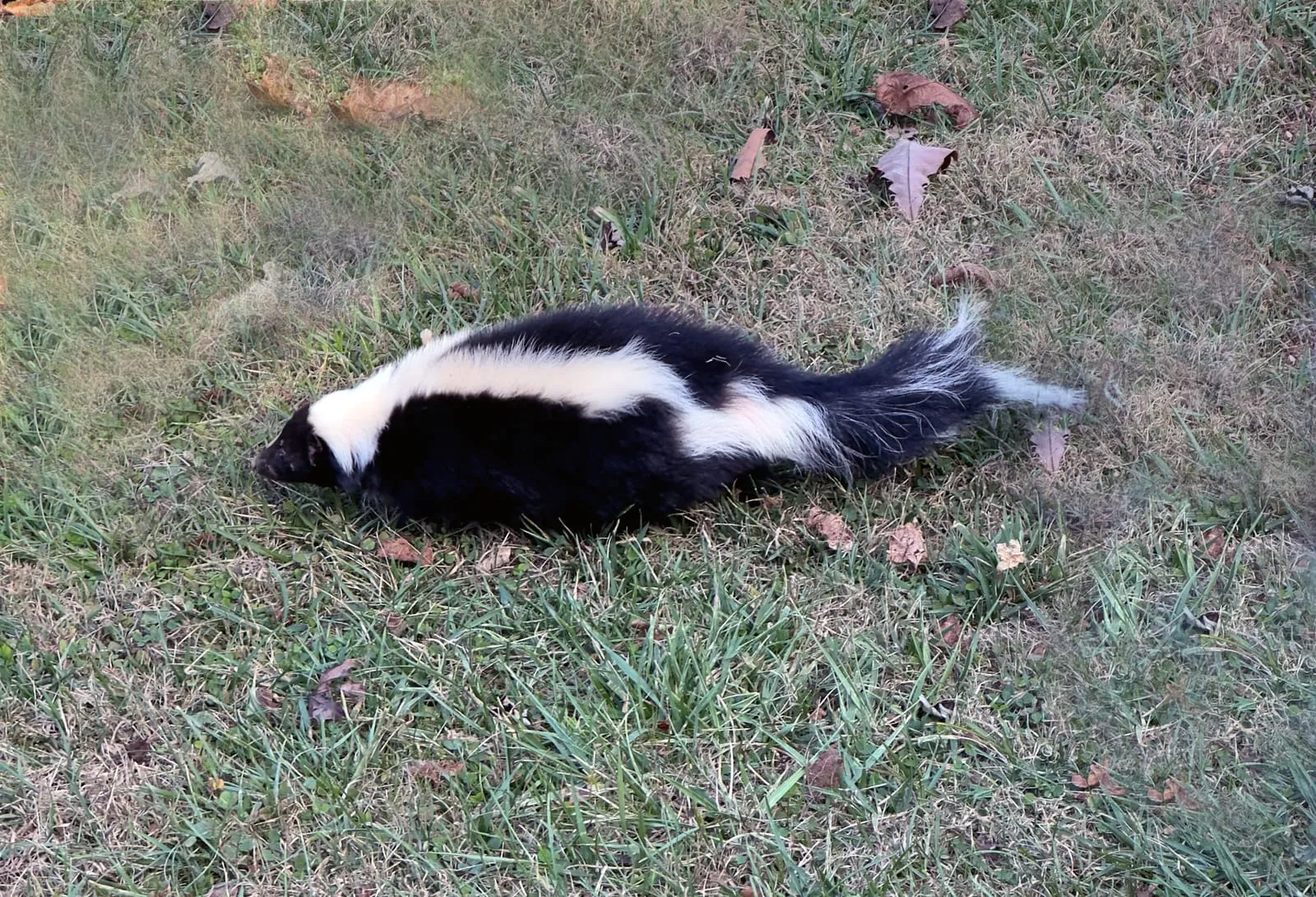
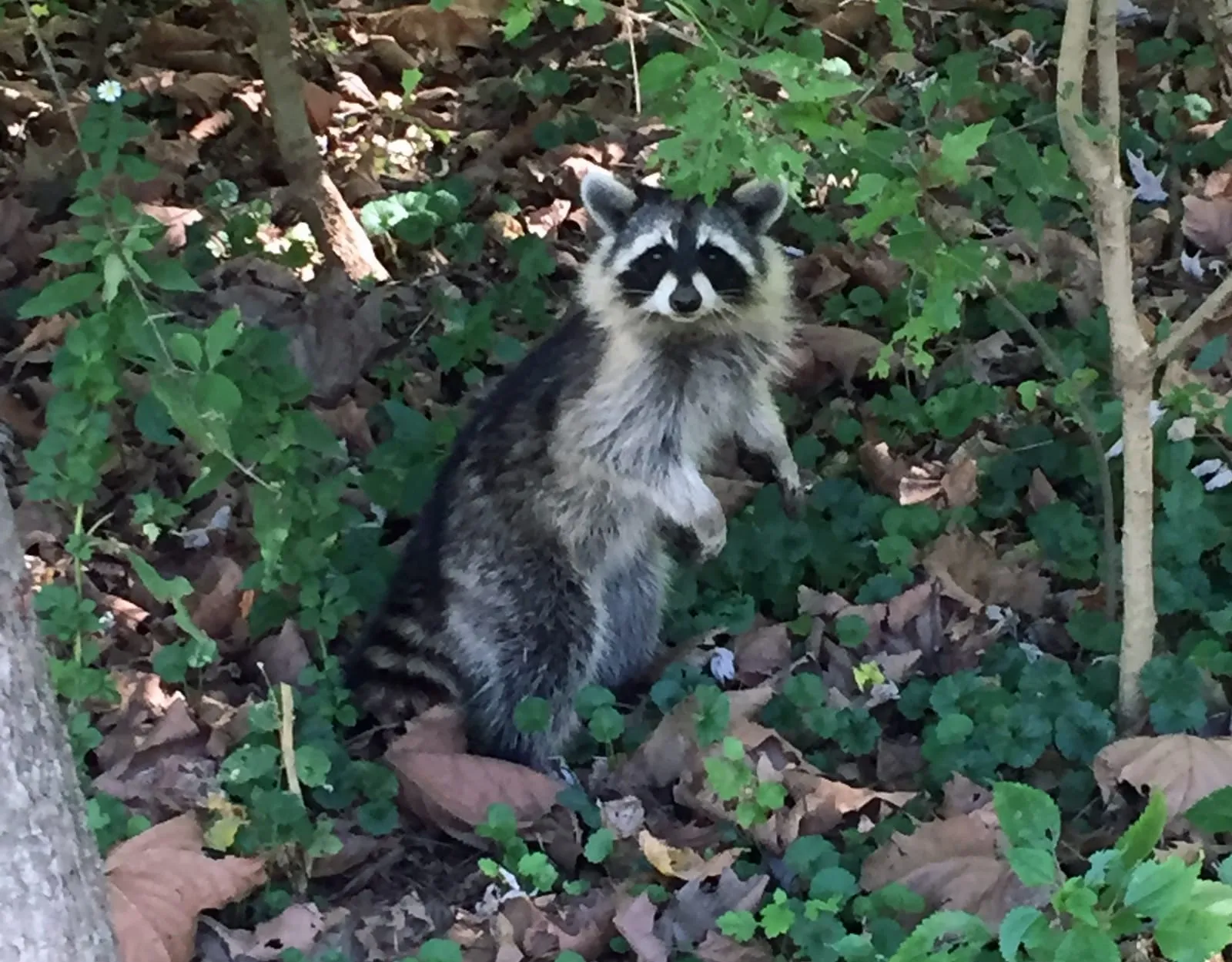
Skunks and raccoons dig for grubs, leaving cone-shaped divots and small pits in turf, or rolling sod back where grub numbers are high.
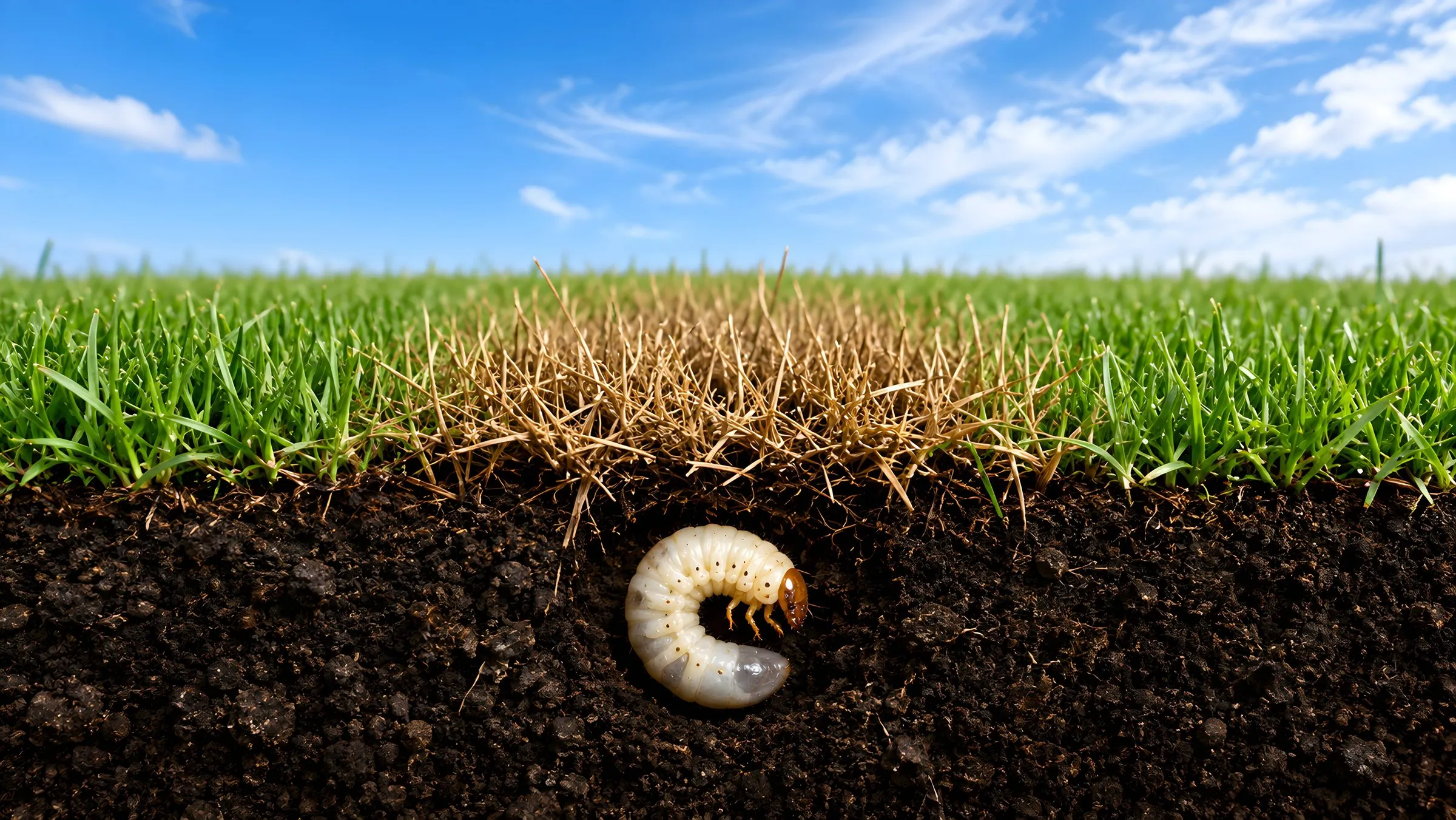
Turf Grub Application is $215/yard for properties up to 1 acre, plus $20 for each 0.1 acre, or portion thereof, above that. Sold as turf protection, not mole control. No setup fee.
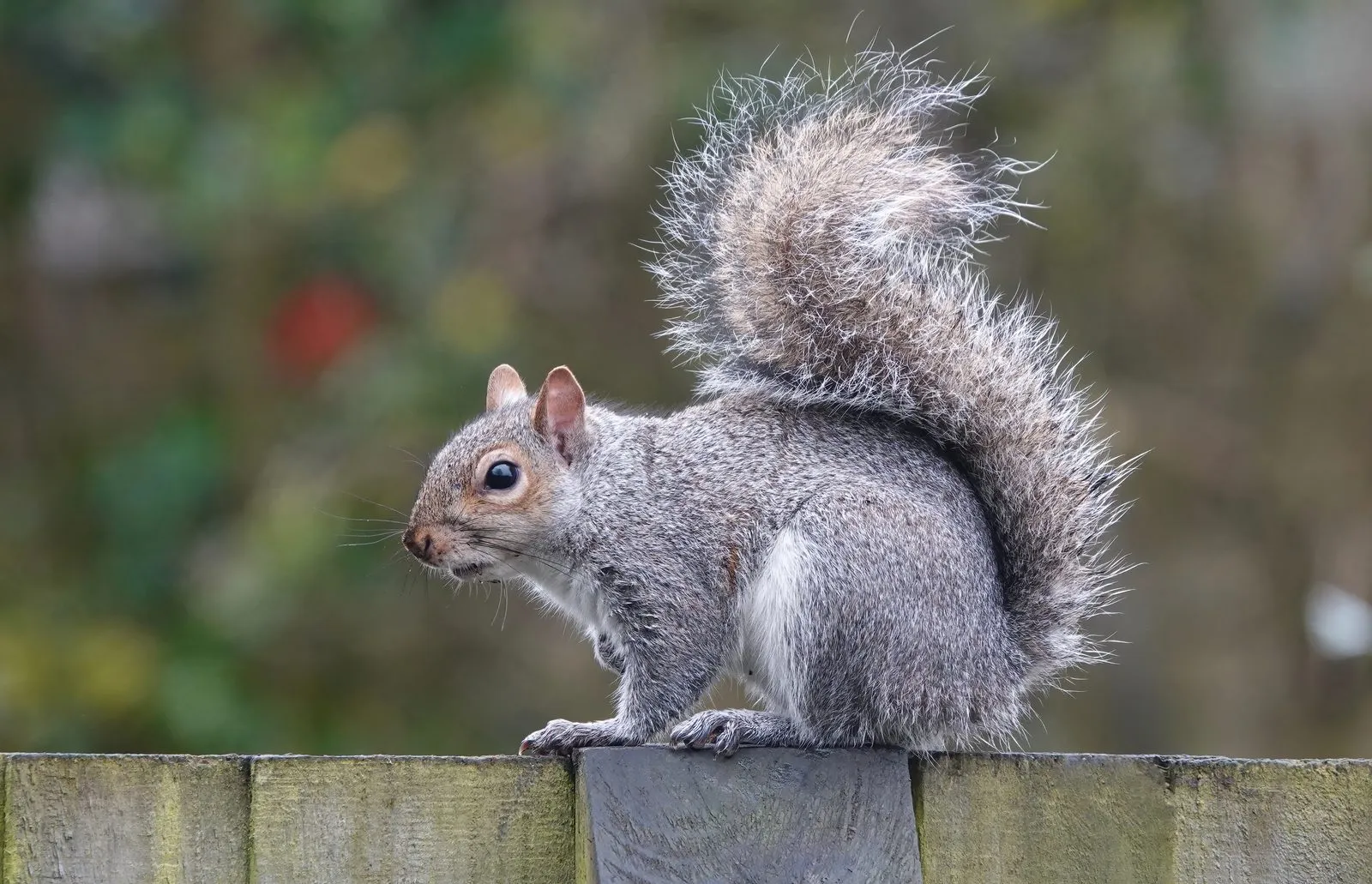
Gray squirrels chew into attics through soffits, fascia boards, roof vents, and gable ends, and once inside they nest in insulation and gnaw on wiring, which is a fire risk as much as a nuisance.
Removing one squirrel is $300: the one-time $150 job setup fee plus the $150 per-animal removal fee for this species. Squirrels: see Exclusion Services for in-structure options.
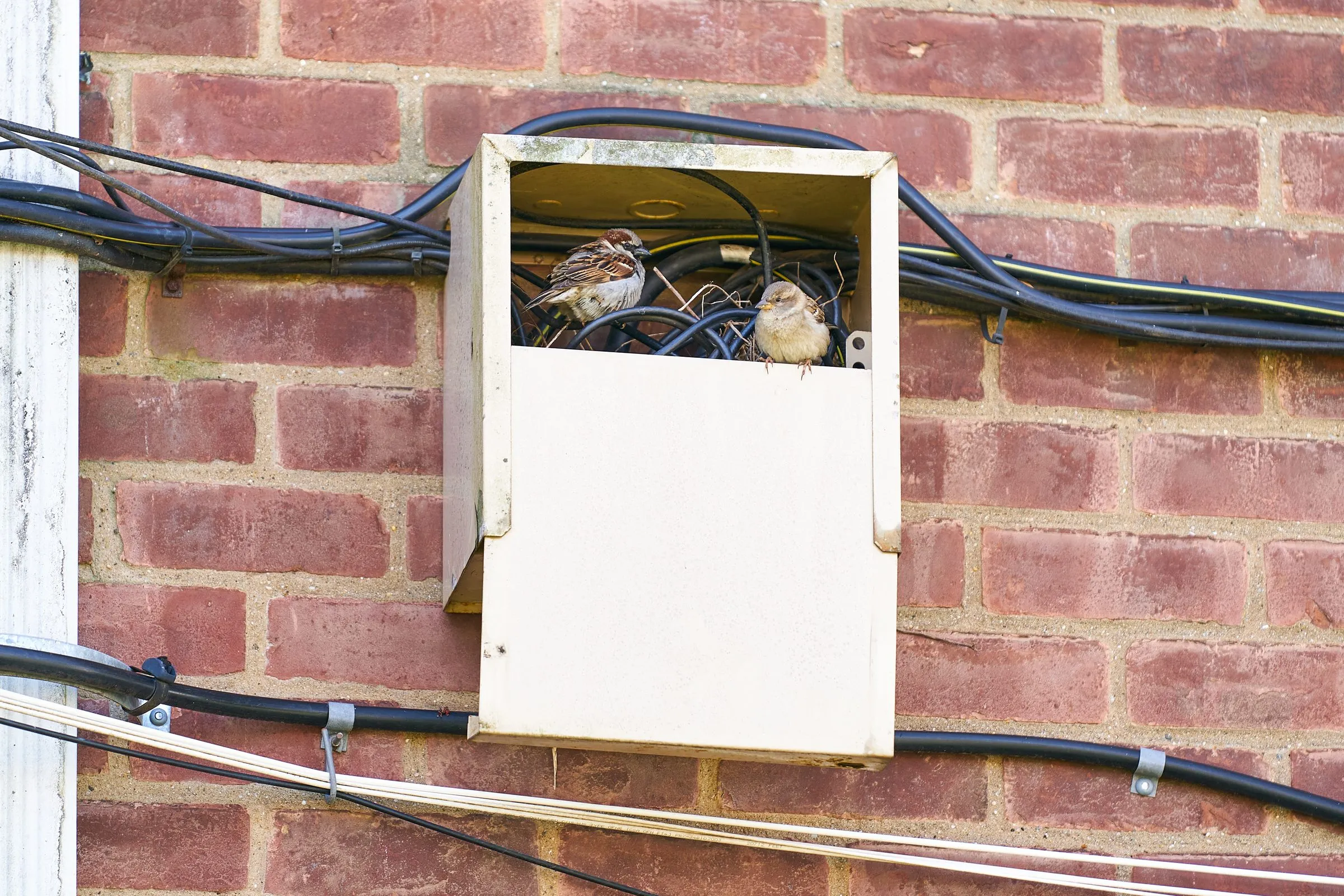
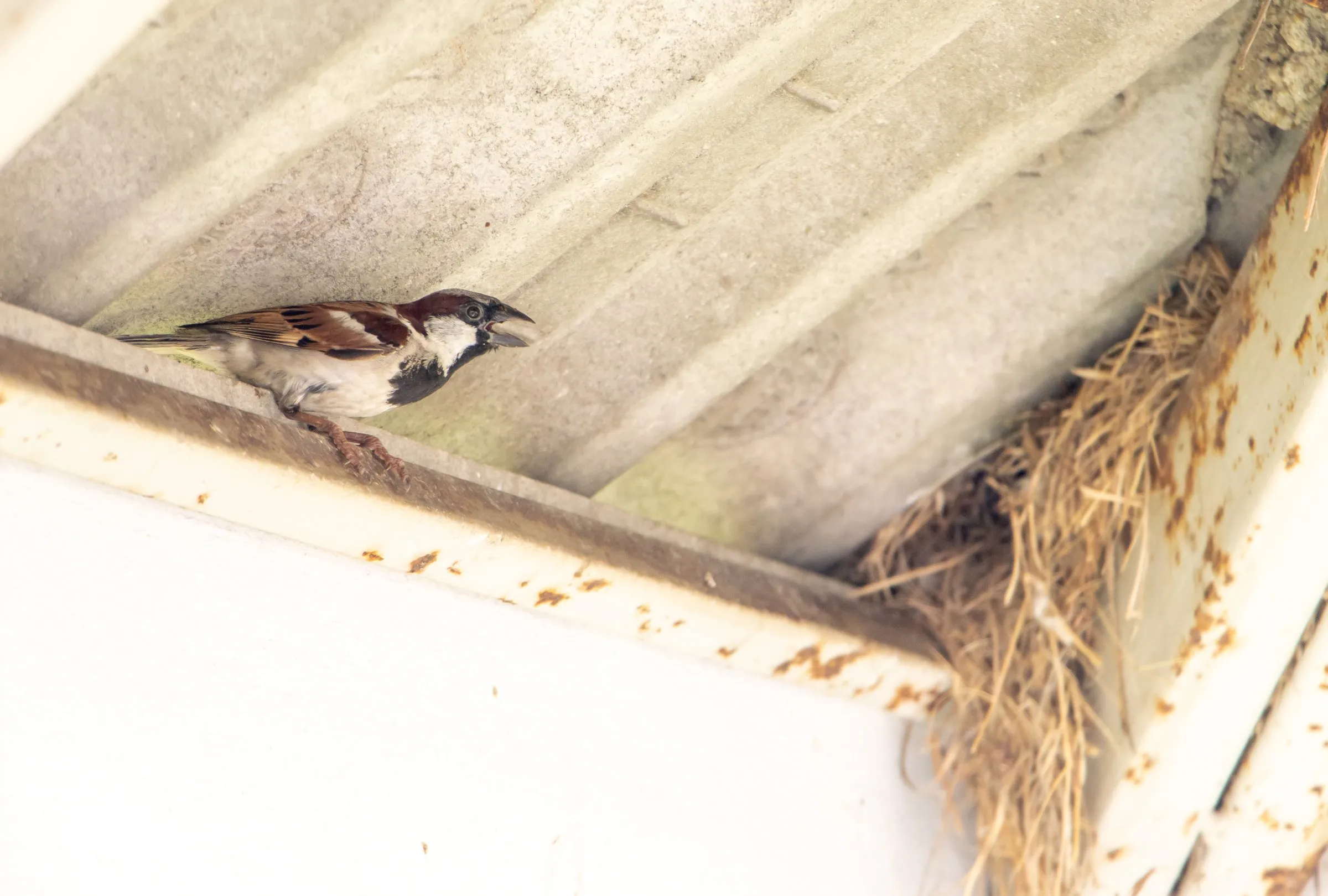
Starlings, sparrows, pigeons, and woodpeckers nest in dryer vents, bathroom fans, gable vents, chimneys, and soffits, and their nests block airflow and create fire hazards.
Removing a single bird from inside a home is $250, with no setup fee added. This is not trapping and not exclusion.
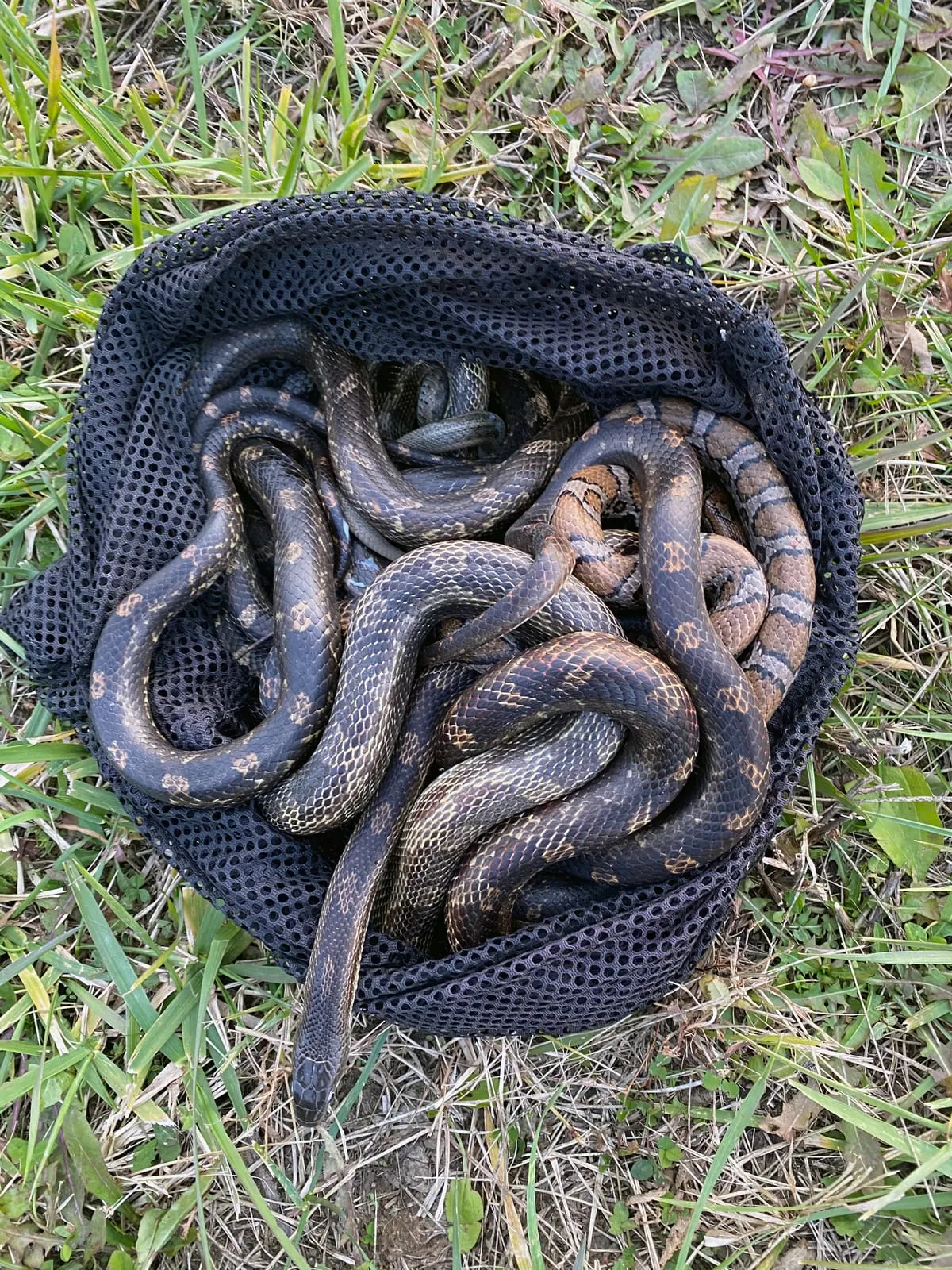
Snakes come into basements, crawlspaces, garages, and occasionally living space following the mice and rats they are hunting, and they get in through gaps around pipes, sills, and foundation cracks.
Removing one snake is $300: the one-time $150 job setup fee plus the $150 per-animal removal fee for this species.
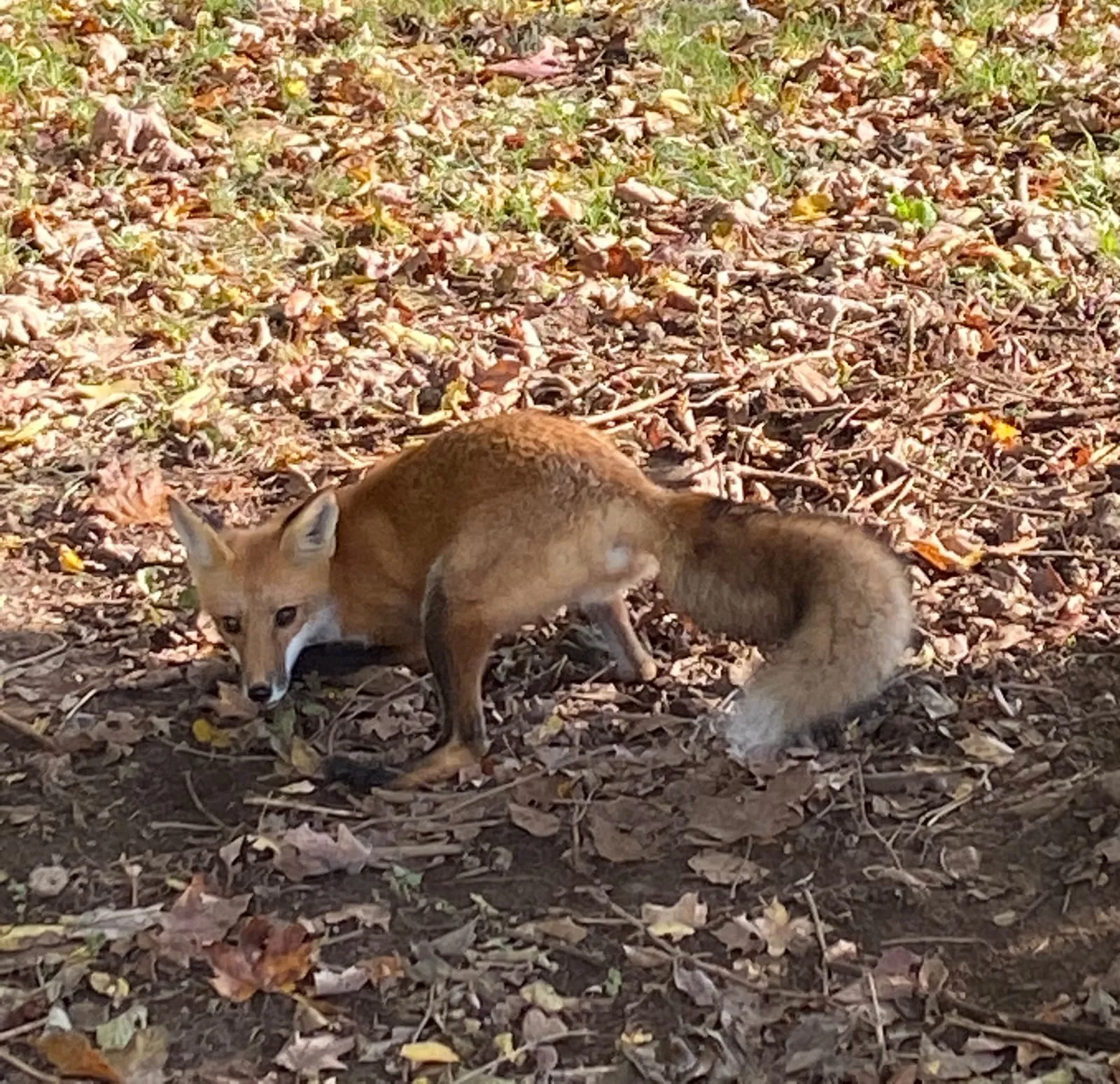
Red and gray foxes den under sheds, decks, porches, and outbuildings, most often in spring when they are raising pups, and they will take chickens, ducks, rabbits, and small pets.
Removing one fox is $300: the one-time $150 job setup fee plus the $150 per-animal removal fee for this species.
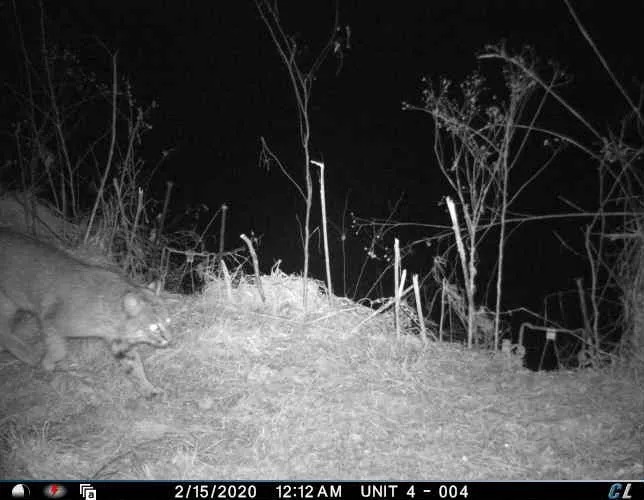
Bobcats are usually secretive, but one working a property will take poultry, rabbits, goat kids, and occasionally cats, often killing at night and caching what it does not eat.
Removing one bobcat is $400: the one-time $150 job setup fee plus the $250 per-animal removal fee for this species.
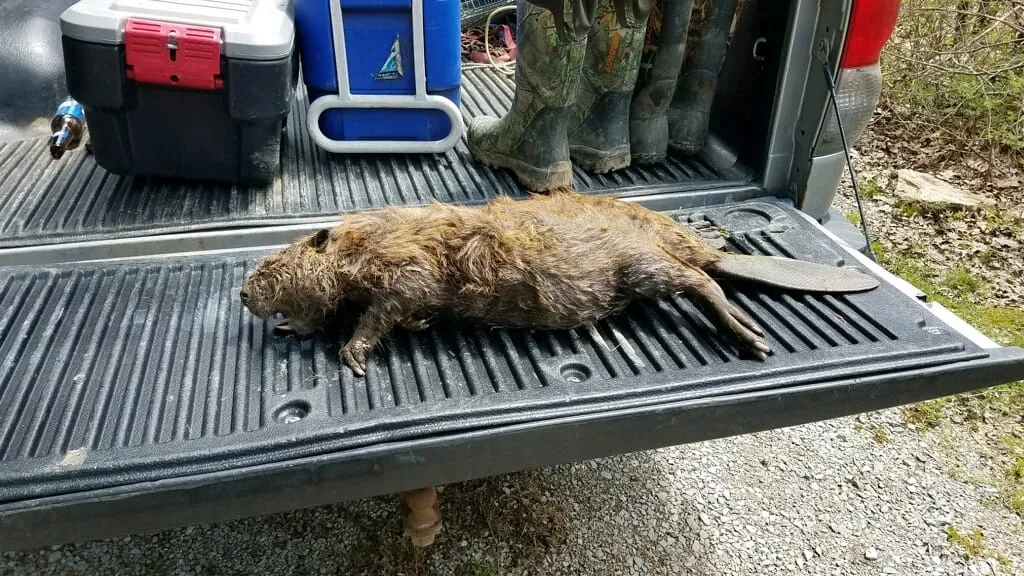
Beavers dam culverts, ditches, and creeks, and the flooding that follows kills timber, drowns pasture, saturates septic fields, and washes out driveways and roads.
Removing one beaver is $400: the one-time $150 job setup fee plus the $250 per-animal removal fee for this species.
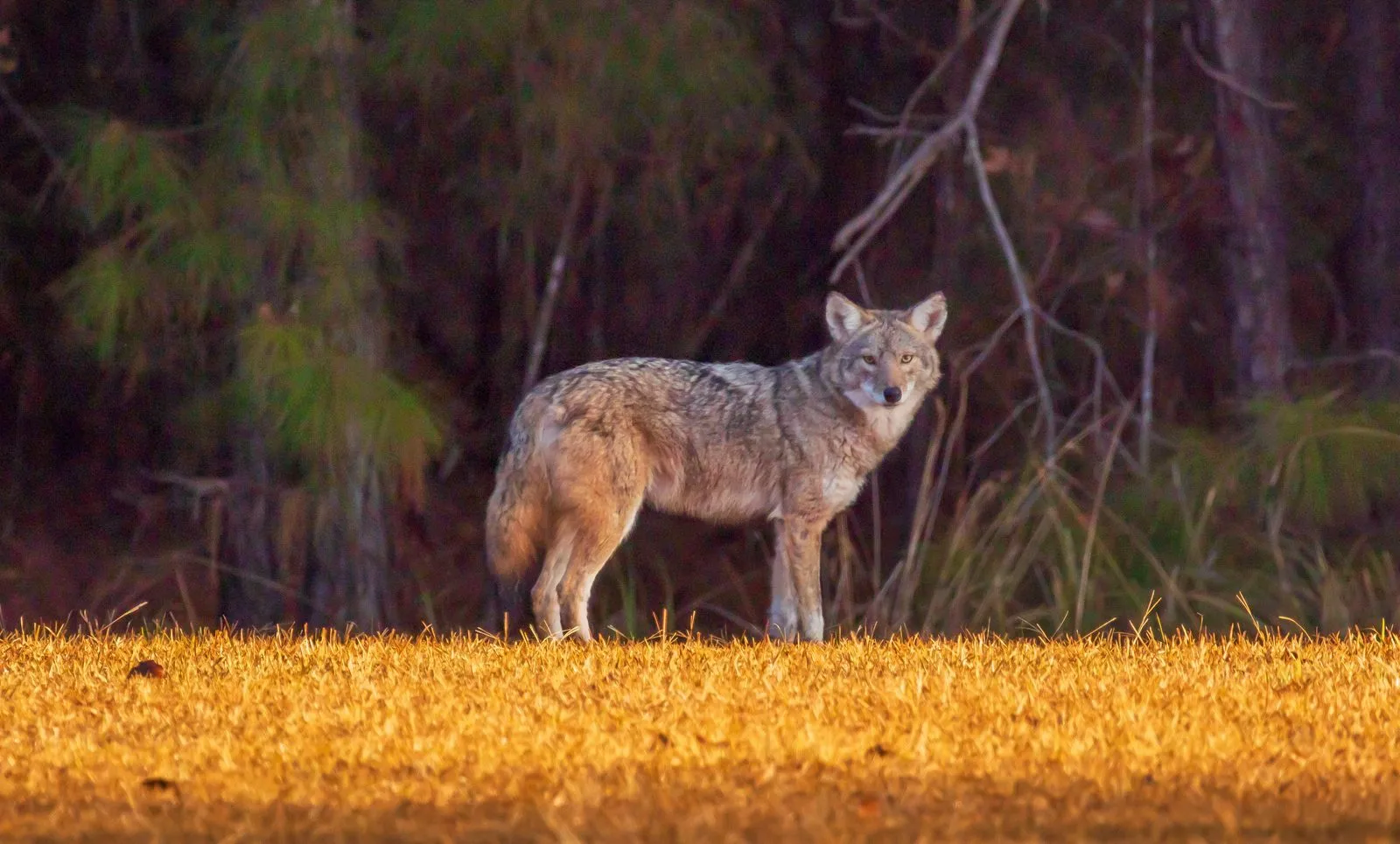
Coyotes are established across central Kentucky and are comfortable working farm edges, subdivisions, and creek corridors.
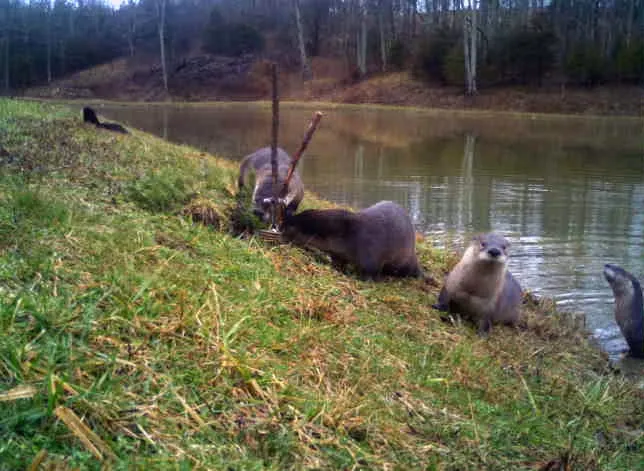
Removing one coyote is $400: the one-time $150 job setup fee plus the $250 per-animal removal fee for this species. For multiple animals, maintenance trapping (River Otters, Beaver, Coyotes) is $800/wk: Intensive trapping to remove multiple animals.
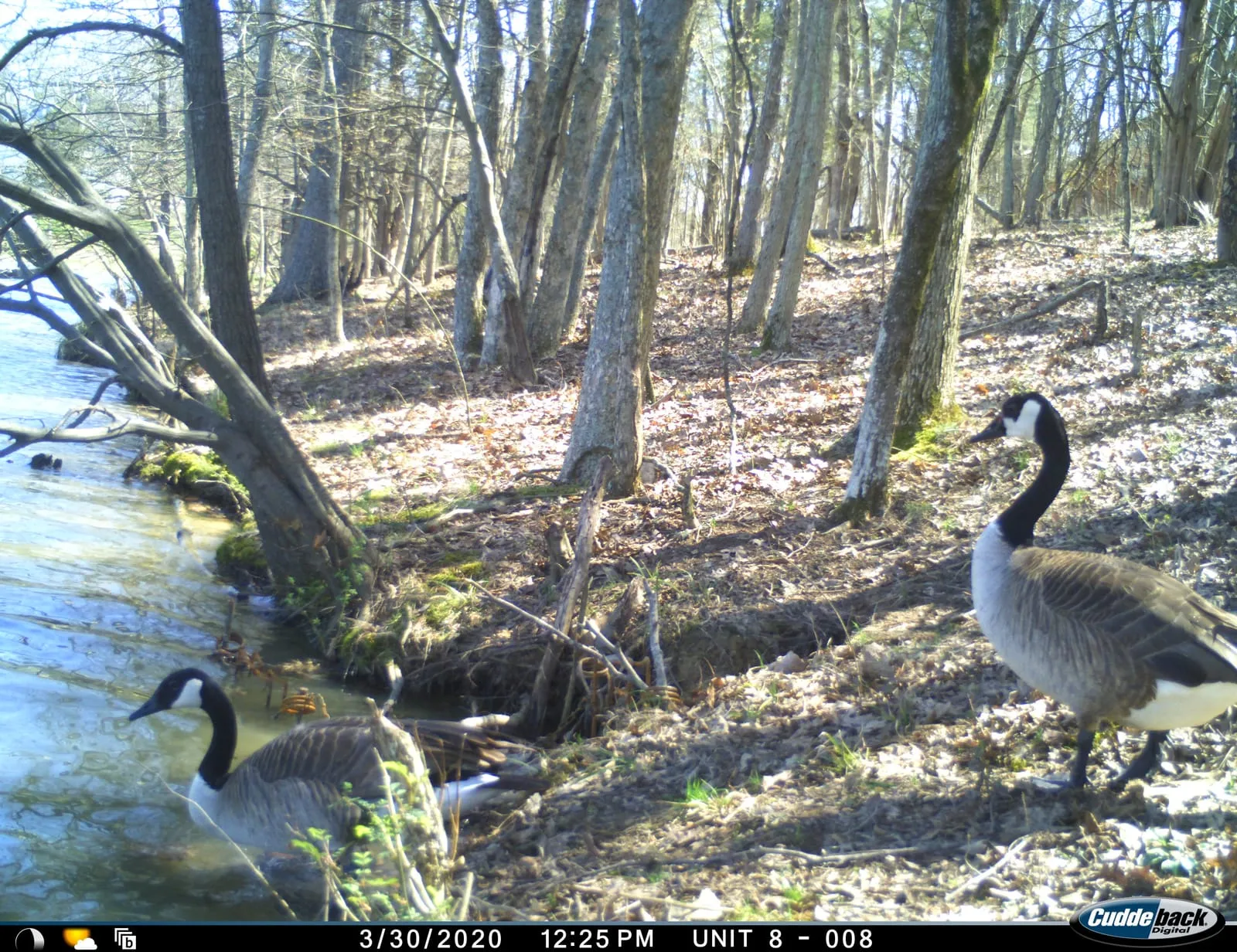
Canada geese take up residence on ponds, retention basins, golf courses, and lawns that run to the water's edge, and a flock leaves droppings on every walk and dock, fouls the water, and will defend nests against people and pets in spring.
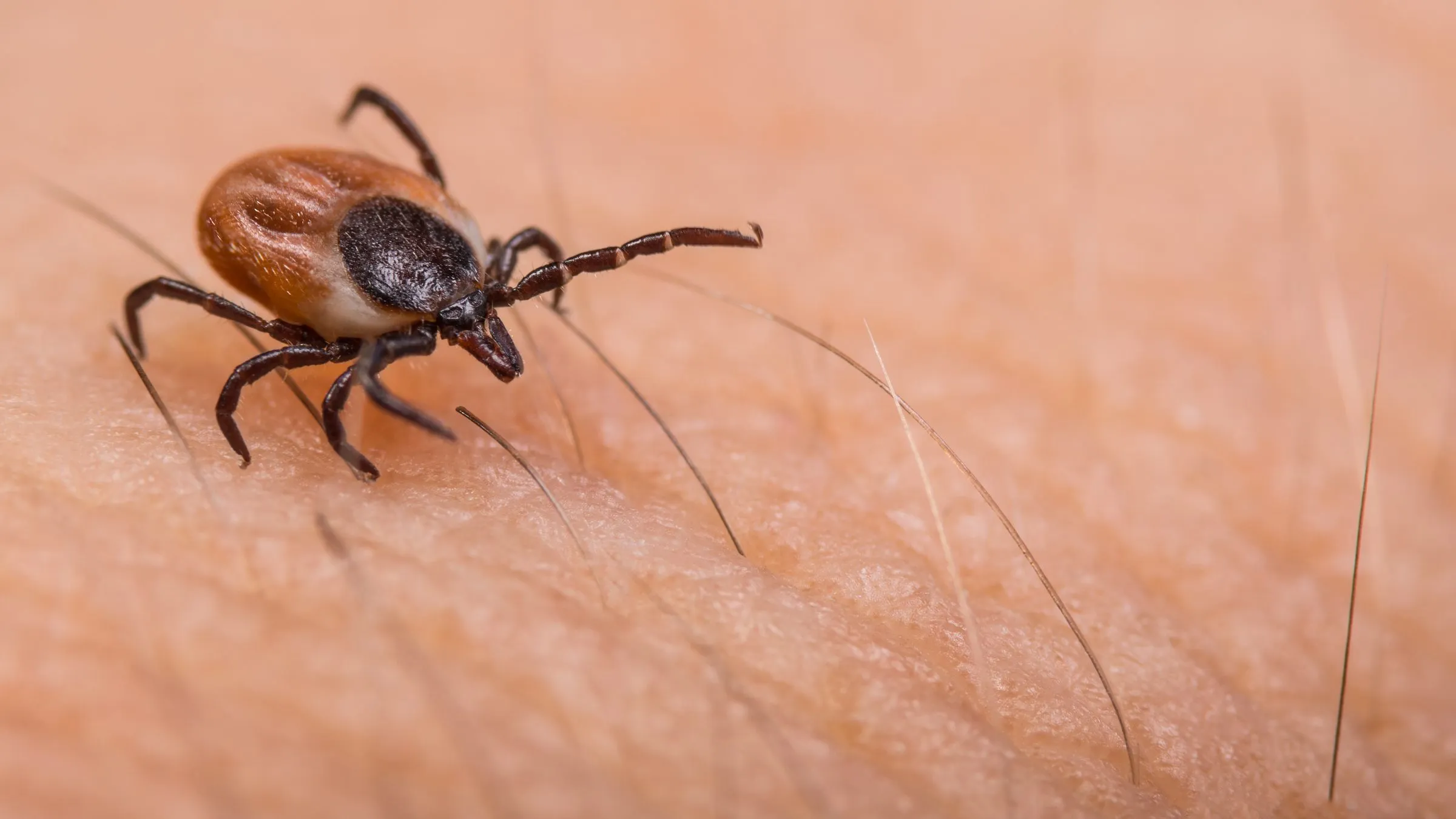
Ticks concentrate in the woodland edge, leaf litter, tall grass, ornamental groundcover, and shaded transition zones.
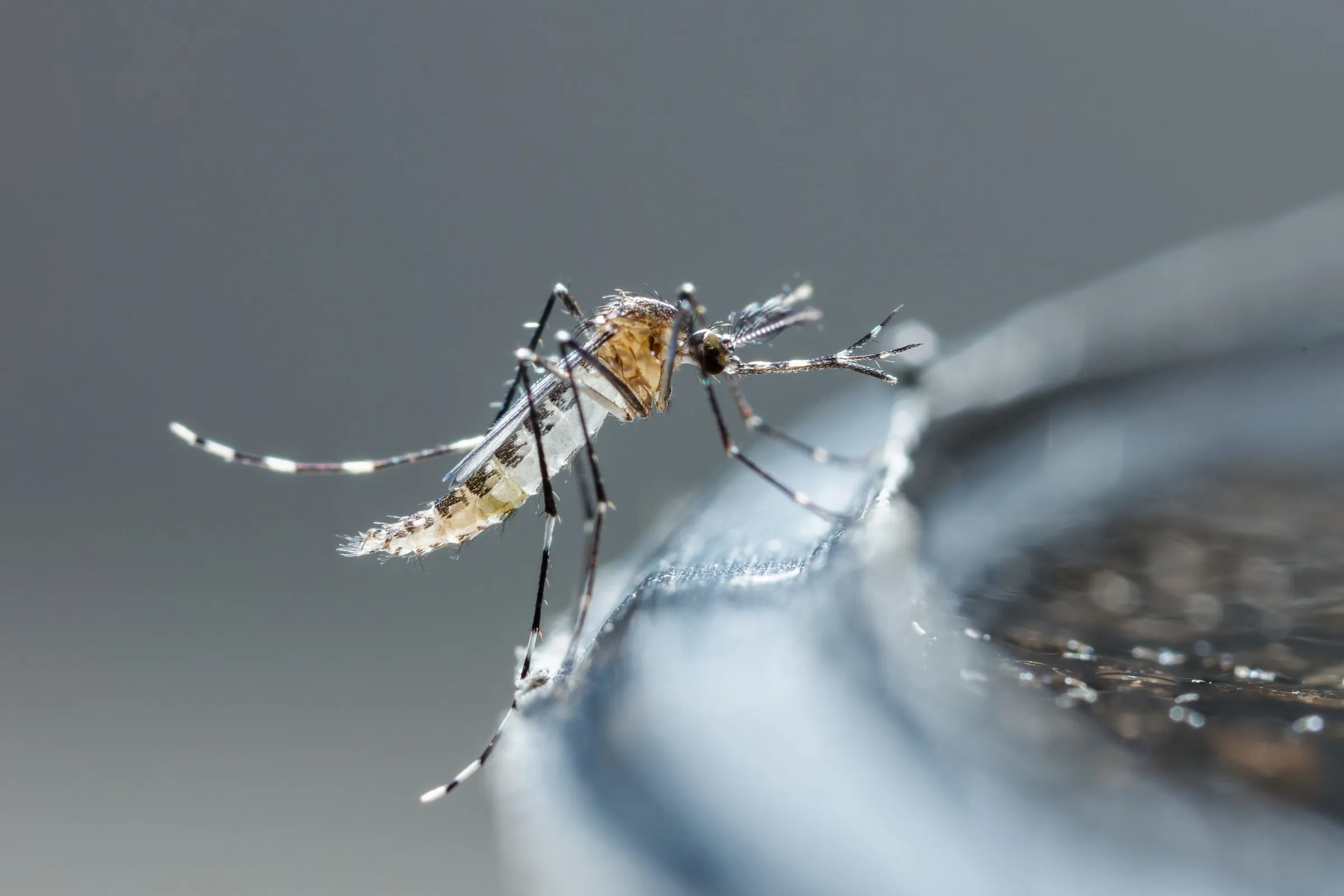
The Tick or Mosquito Assessment and Written Plan is $250. A barrier application, sold as Disease Vector Control (Ticks and Mosquitoes), is $215/yard for properties up to 1 acre, plus $20 for each 0.1 acre, or portion thereof, above that. No setup fee.
If your bites happen at midday near the patio, you have a container problem and no amount of dusk fogging will fix it.
The Tick or Mosquito Assessment and Written Plan is $250. A barrier application, sold as Disease Vector Control (Ticks and Mosquitoes), is $215/yard for properties up to 1 acre, plus $20 for each 0.1 acre, or portion thereof, above that. No setup fee.
Bulbs, seeds, and tubers are the clearest tell. Moles are insectivores and do not eat them. Voles and mice do, and they travel through mole runways to reach them, which is how the mole ends up holding the blame.
Moles, Voles, and Grubs Are Three Different Problems
Moles. Moles leave volcano-shaped hills of cloddy soil pushed up from deep runs, and raised surface ridges where they have tunneled just under the sod. There is normally no open hole at the surface, and the number of hills tells you nothing about the number of animals.
Voles. Voles leave runways at ground level rather than raised ridges: narrow paths worn through the grass and thatch, often with clipped stems and open burrow holes. Voles eat bulbs, roots, tubers, and bark.
Grub-digging skunks and raccoons. Skunks and raccoons dig for grubs, leaving cone-shaped divots and small pits in turf, or rolling sod back where grub numbers are high.
The whole identification, with what moles eat and why a grub application is sold as turf protection, is on the mole damage management page.
Next Step
Tell us what you are seeing and we will tell you what is actually causing it.